A growing segment of the Danish population feels that the public democratic discourse is taking place without their involvement. This includes, among others, young people, socially vulnerable individuals, ethnic minorities in Denmark, people with disabilities, and gender and sexual minorities. Underrepresentation has consequences for the quality of decision-making, social cohesion, and well-being.
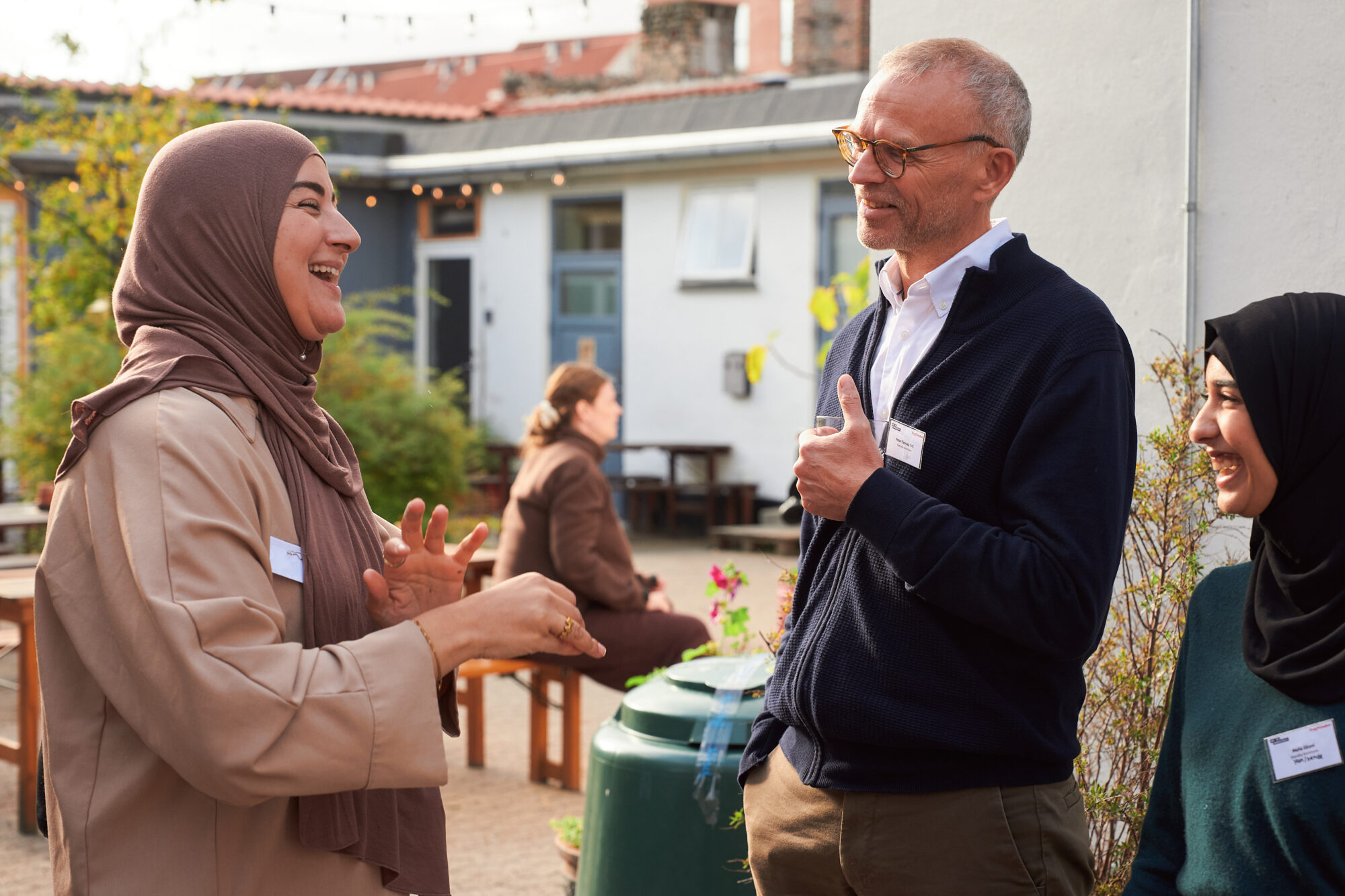
The Network for Democratic Representation therefore highlighted diverse participation on October 22 at Demokrati Garage. The common goal was to explore barriers to participation, democratic representation, and influence—and how to work toward strengthening diverse participation. A wide range of organizations participated, sharing perspectives and reflections from their daily work on topics ranging from target group representation and advocacy to public authorities and business organizations.
Diverse participation is a cross-cutting agenda
Representation and inclusive participation are cross-cutting societal priorities. And many organizations are already working to strengthen the representation of underrepresented social groups.
Practitioners from many other fields also participated in the seminar at Demokrati Garage. What they all had in common was a desire to explore how we can strengthen democratic representation. Therefore, one of the seminar’s main objectives was to bring together key organizations and stakeholders in a shared space for learning and exchanging experiences.
Five Barriers to Democratic Representation
A number of skilled speakers from the Network for Democratic Representation discussed some of the barriers that stand in the way of democratic representation. These barriers have been identified over the nearly three years that the network has been in operation, and they are as follows:
- There is no diverse representation in representative democracy
- Participation requires specific skills, knowledge, and experience
- There are physical, economic, and psychological barriers to participation
- We have a homogeneous and status-quo-preserving democracy
- Democracy and forms of participation have built-in barriers
If you’re interested in learning more about what these five barriers entail, you can read more on our program page.
How can we move this agenda forward from here?
The most crucial question for the Seminar on Diverse Participation was, of course, what we do next. How do we use this seminar to strengthen connections, build alliances among stakeholders, and keep diverse participation on the agenda?
Fortunately, the seminar participants are already well underway. From the Association of Young People with Disabilities’ efforts to give young people in STU (specially tailored youth education) a voice to Mino Denmark’s local citizens’ council—just to mention a couple of the examples that came up during the day.
We Do Democracy runs the Network for Democratic Representation in collaboration with TrygFonden. We at We Do Democracy look forward to continuing our work on this agenda. Representation is a central part of the better democratic future we are striving for and working toward.
Curious? Then read more on the program page or contact Rose Steen Mikkelsen, program director at Network for Democratic Representation, at Rose@wedodemocracy.dk.
Photo: Rasmus Preston.