Network for Democratic Representation
What is the Network for Democratic Representation?
A growing segment of the Danish population feels that the public democratic discourse is taking place without their involvement. This includes, among others, young people, socially vulnerable individuals, ethnic minorities in Denmark, people with disabilities, and gender and sexual minorities.
And underrepresentation has consequences for the quality of decisions, social cohesion, and well-being.
That is why we at We Do Democracy have partnered with TrygFonden to create a network for organizations working on democratic representation. The network consists of 40 organizations.
The network has defined its objectives as follows.
- It should serve as a hub for key organizations and stakeholders working with underrepresented groups in society, forming a broad network where collaborations can emerge.
- There should be sharing of knowledge and experience on how to strengthen democratic participation and representation in Denmark.
- The network should help raise public awareness of the challenges facing democratic representation and disseminate methods for strengthening democratic participation and representation.
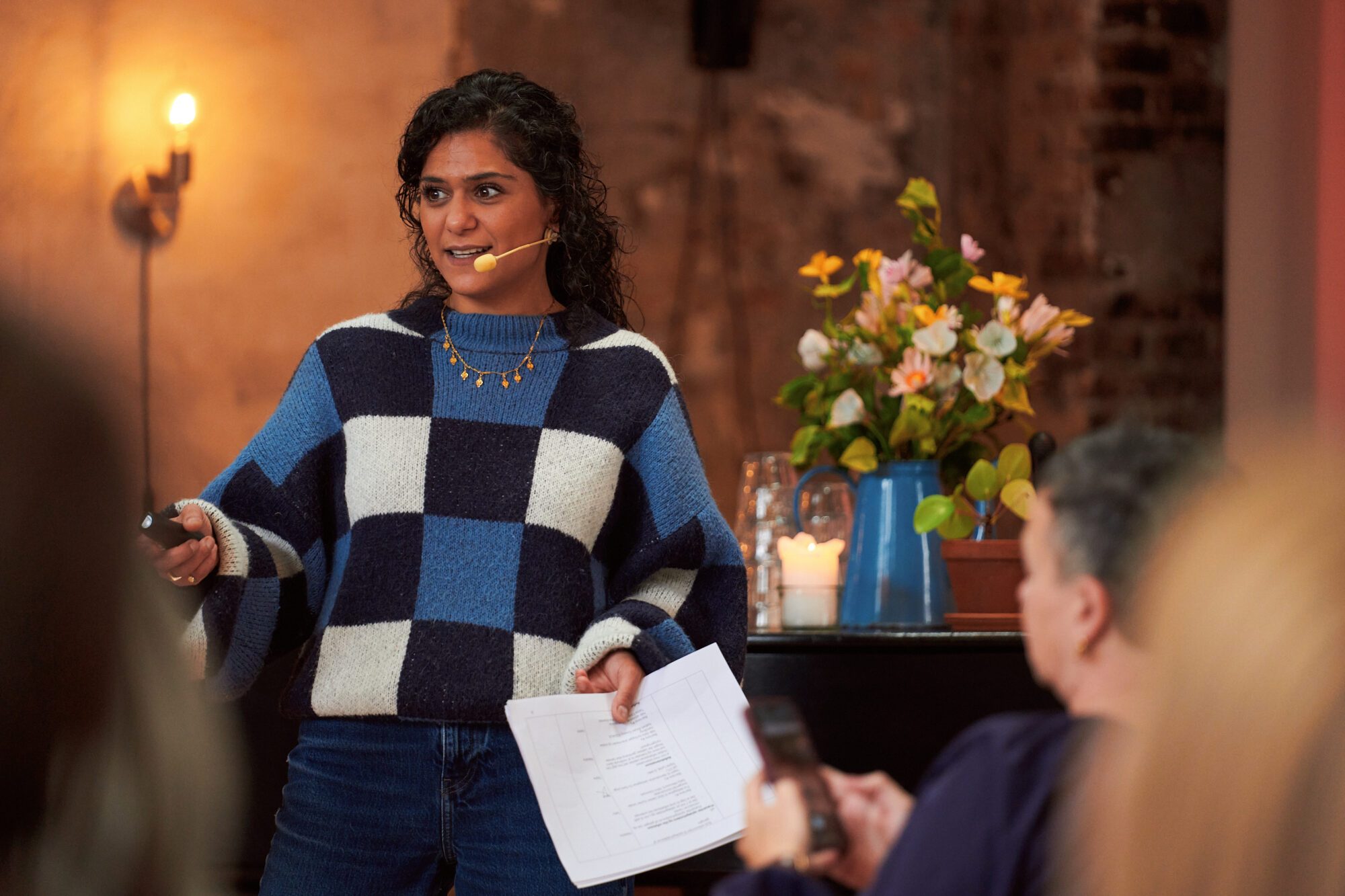
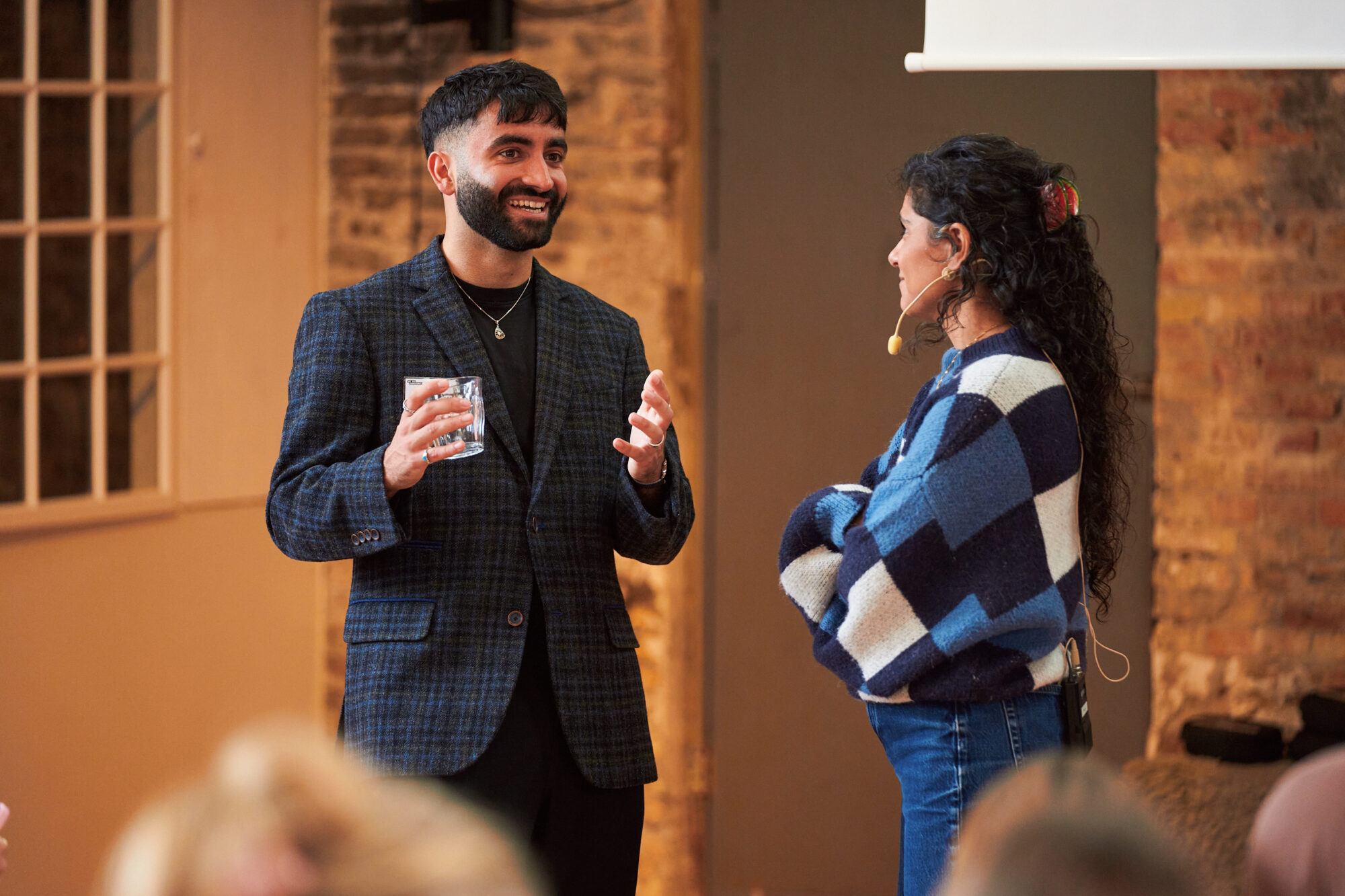
Photos: Rasmus Preston.
Five Barriers to Democratic Representation
1. There is no diverse representation in representative democracy
Members of the Danish Parliament do not reflect the rest of society in terms of sociodemographic parameters. At the same time, a growing portion of the population does not have the right to vote. This results in a skewed representation between those who vote and those who are elected.
2. Participation requires special skills, knowledge and experience
Politics has become professionalized and it requires skills, experience and knowledge to navigate how to participate and what rights you have. The language is specialized and the processes are difficult to understand. Democratic education and dissemination are not prioritized enough to ensure that everyone has the prerequisites for participation.
3. There are physical, financial, and psychological barriers to participation
Participation depends on the format of the event. Transportation options, physical and digital accessibility, etc., influence whether one can participate. Participation can also be influenced by financial freedom, the feeling of being invited, and mental energy. Discrimination, smear campaigns, and hate speech can discourage participation.
4. We have a homogeneous and status-quo-preserving democracy
Democracy lacks perspectives that can ensure good solutions for everyone. The conditions and realities of underrepresented groups are overlooked or not sufficiently examined, just as minority perspectives are not actively sought out, which leads to closed-off solutions that preserve the status quo.
5. Democracy and forms of participation have inherent barriers
The democratic system does not provide sufficient opportunities for the interests of underrepresented groups to be heard. There is a lack of opportunities for participation that invite and can accommodate target groups who have different needs and do not feel welcome in democracy.
NEW & NEXT
New: Seminar on Diverse Participation
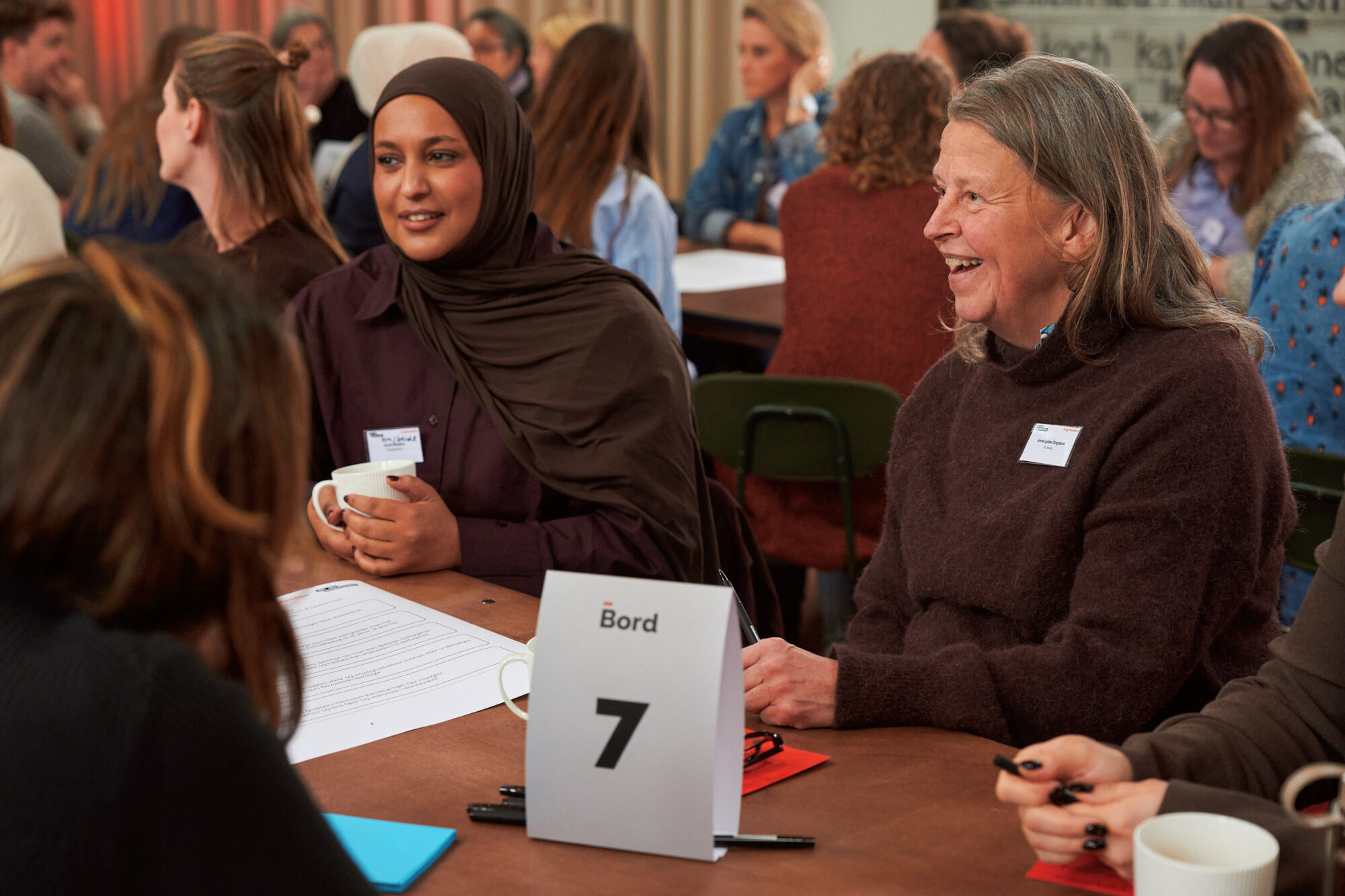
On October 22, 2026, the network hosted a seminar at Demokrati Garage. Over 60 organizations participated in a day focused on sharing experiences and building new connections. We delved into the barriers to democratic representation and, most importantly, how we can work together to overcome them. Read more here.