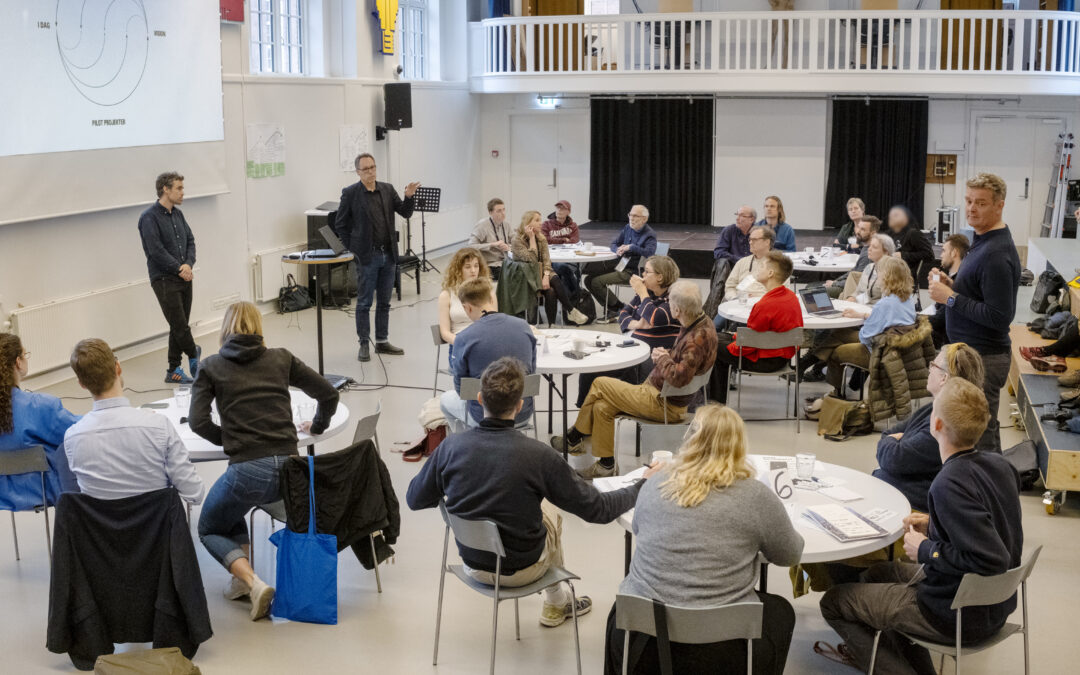
Our welfare society is changing and municipal Denmark is calling for new solutions. Dragør Municipality has opened the door for citizens to help set priorities and find the balance in future welfare.
Borgersamlinger, borgerting og andre deliberative formater har bragt fornyet demokratisk optimisme i en lang række lande. Se et udvalg af vores borgersamling cases herunder.
Our welfare society is changing and municipal Denmark is calling for new solutions. Dragør Municipality has opened the door for citizens to help set priorities and find the balance in future welfare.
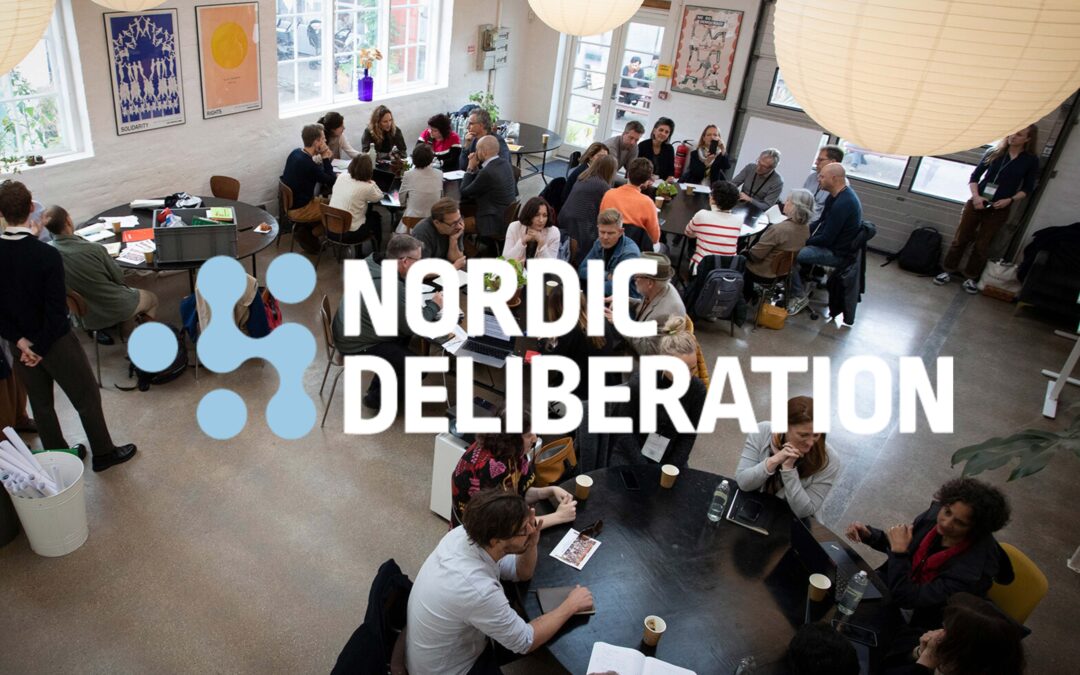
Nordic partnership can become a new hub and collaboration platform for the Nordic democracy sector. We Do Democracy has joined forces with deliberative democracy actors in Norway, Sweden and Finland to future-proof a sustainable and viable democracy.
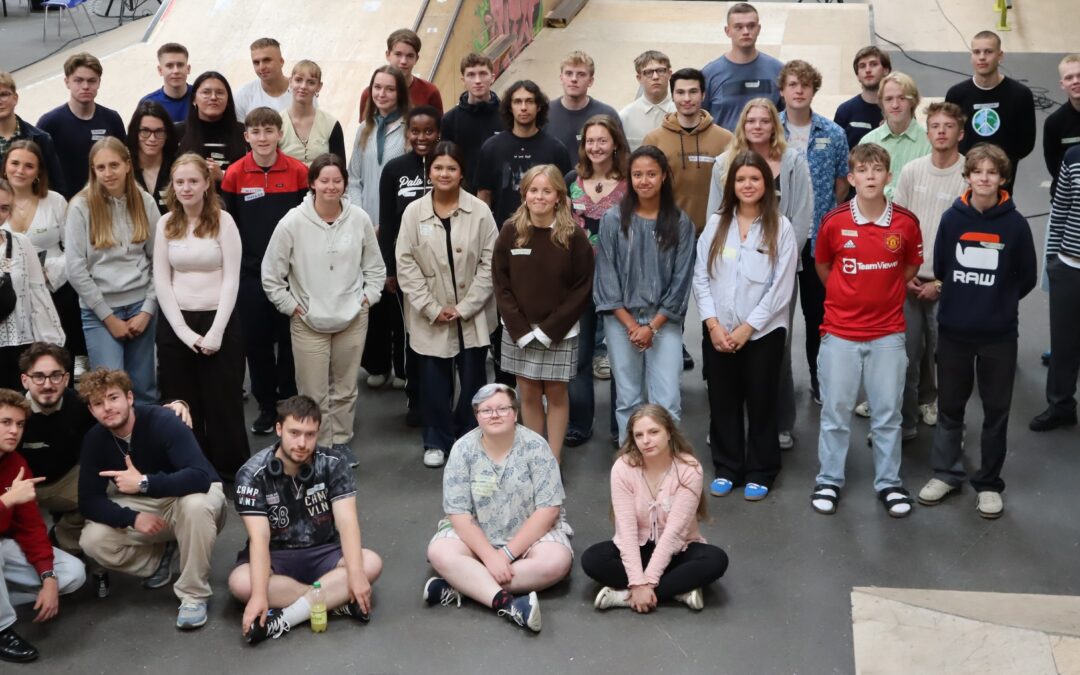
Five municipalities are joining forces with We Do Democracy to give young people real influence. At the same time, we are developing a new model for how young people can be broadly and meaningfully involved in local democracy.
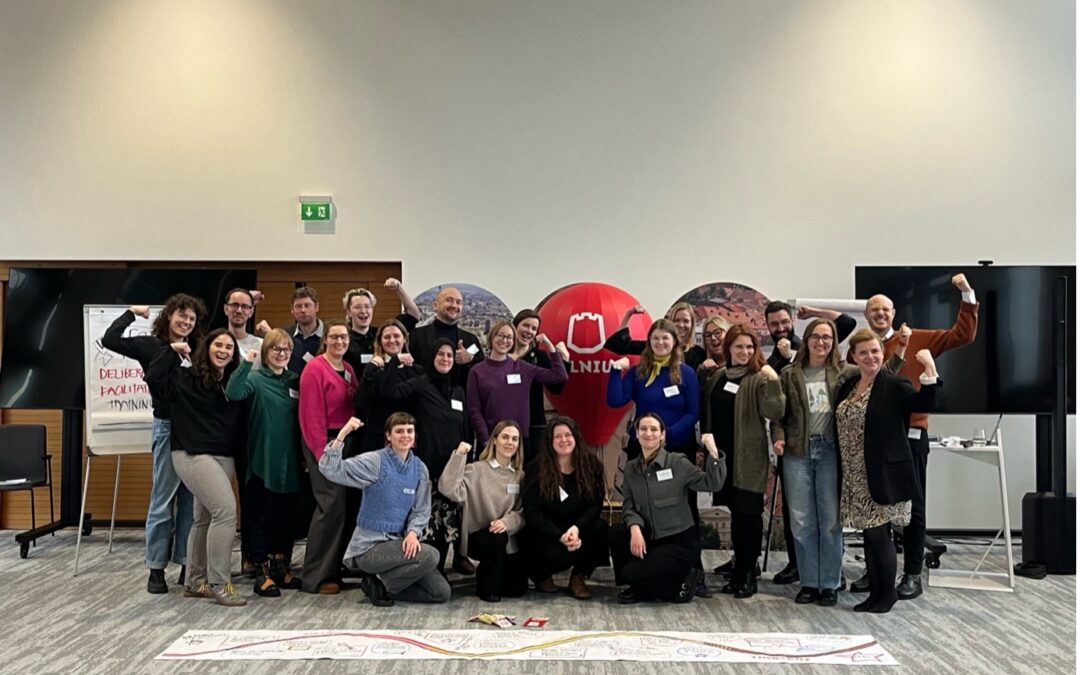
Become a powerful facilitator and learn how to successfully lead citizens’ assembly. Our intensive workshop will give you the tools to design and facilitate democratic processes that create real change. Join us and get equipped to manage complex dialogs, make decisions together and engage citizens effectively.
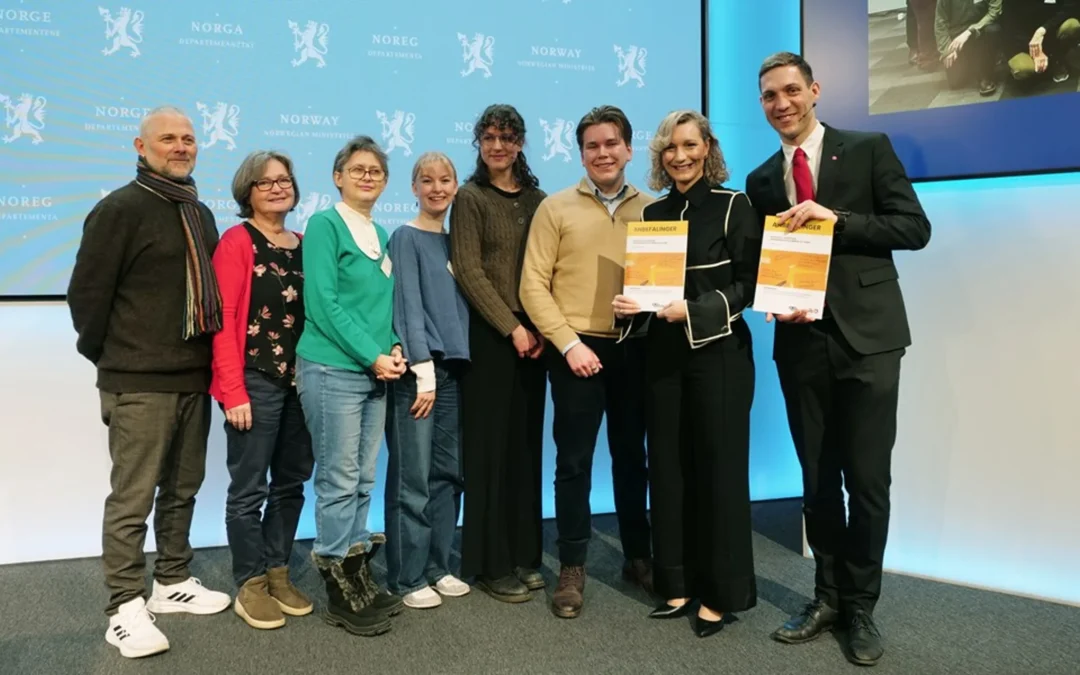
Norway’s first Citizens’ Tribunal focused on sustainable consumption – where 66 randomly selected Norwegians made recommendations to the government. We Do Democracy together with SoCentral formed the independent third-party secretariat
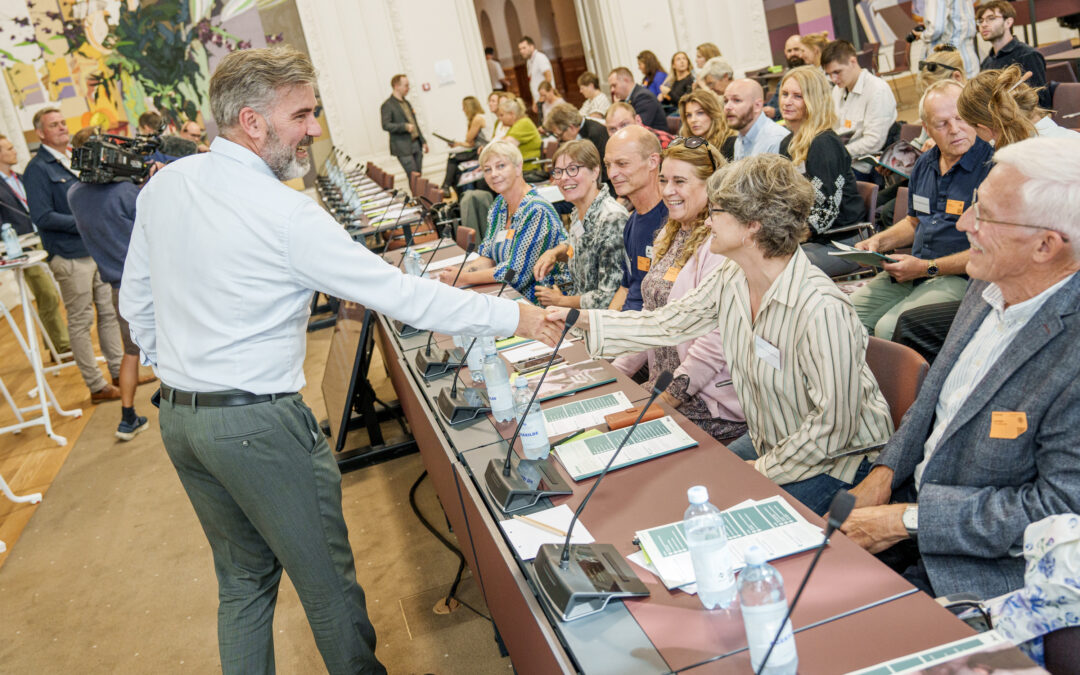
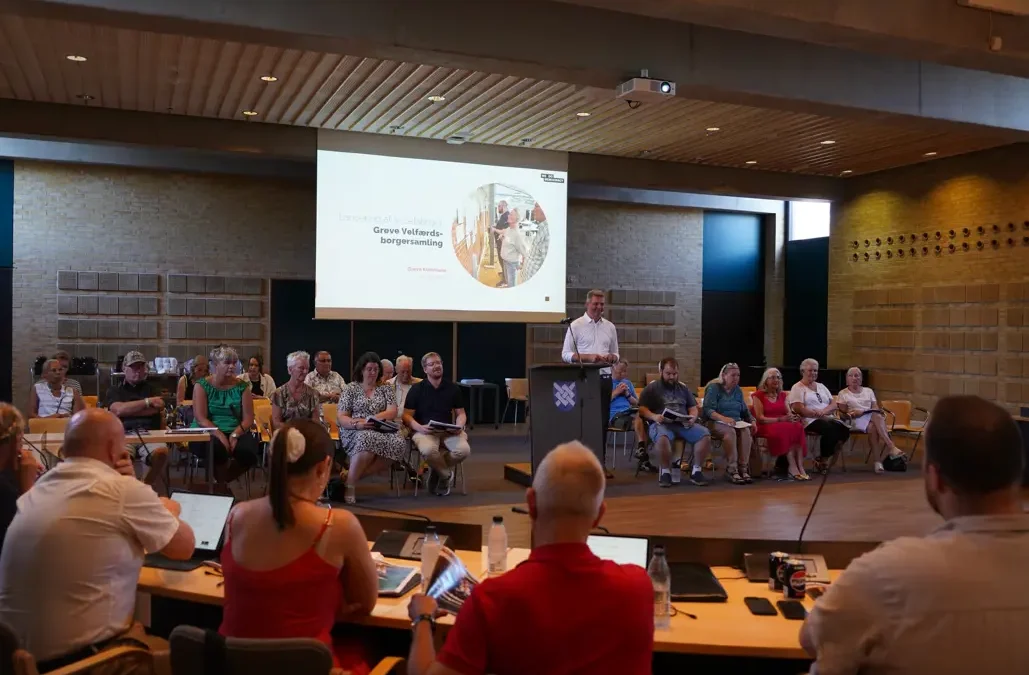
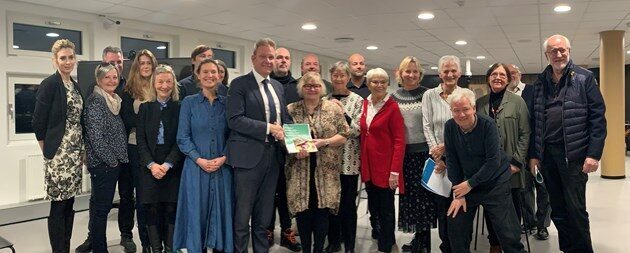
The future of welfare is under pressure, and new ways of approaching the difficult task and conversation are needed. In Greve, politicians chose to invite citizens into the heart of the discussion, and citizens responded by identifying new paths to take in the country’s first welfare citizen gathering.
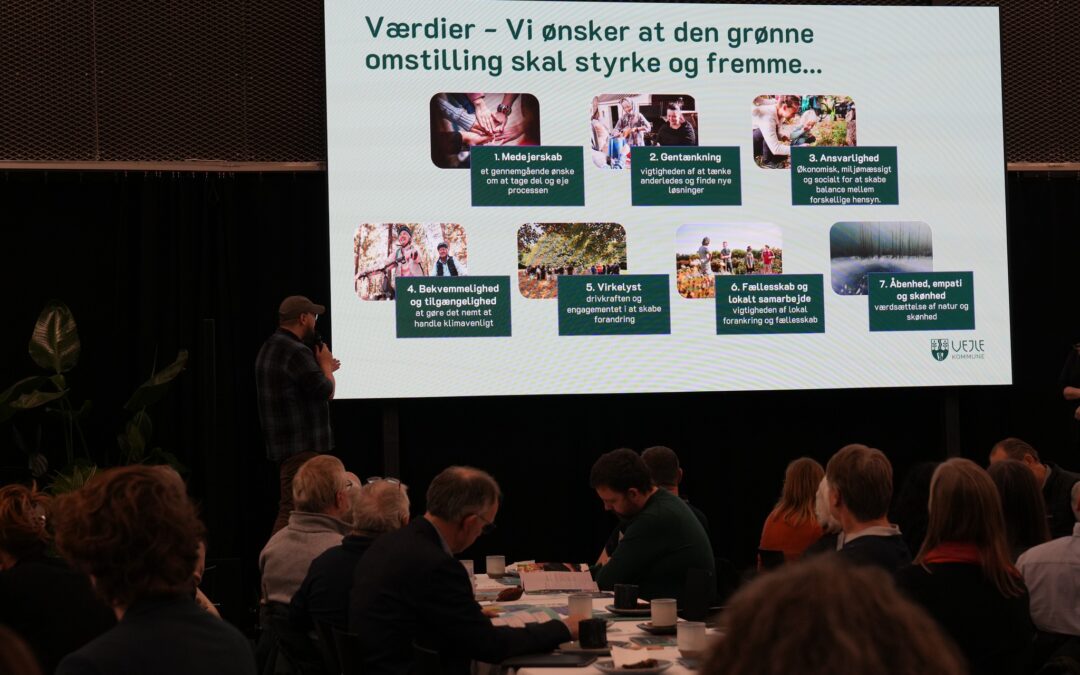
How can communities and civil society in Vejle Municipality work together with the municipality to boost climate action? A Mixed Panel of politicians, civil society groups and representative citizens of Vejle will answer this question.
How can the City of Copenhagen help its citizens reduce their CO2 emissions? A representative group of the municipality’s citizens are now gathering in a Climate Citizens’ Council, which over the next three years will make recommendations on how Copenhagen can become a CO2-neutral municipality.
The Copenhagen Citizens Assembly in Bispebjerg is the first of the local Copenhagen Assemblies in the City of Copenhagen. The assembly aims to involve young people in how to best ensure the well-being of all young people in the area, and the City of Copenhagen has therefore invited all young people in Bispebjerg between the ages of 14 and 24 to participate. The 24 young people who signed up have all been given a place in the assembly, and in the fall of 2023 they will work together to find solutions to key questions about young people’s well-being in Bispebjerg.
Gentofte Municipality is involving its citizens in the transition to a more sustainable municipality. Therefore, a citizens’ involvement process is underway, where 30,000 citizens are invited to become part of a municipal Climate Citizens’ Assembly, which will make recommendations for a climate plan for how Gentofte Municipality can become more CO2 neutral.
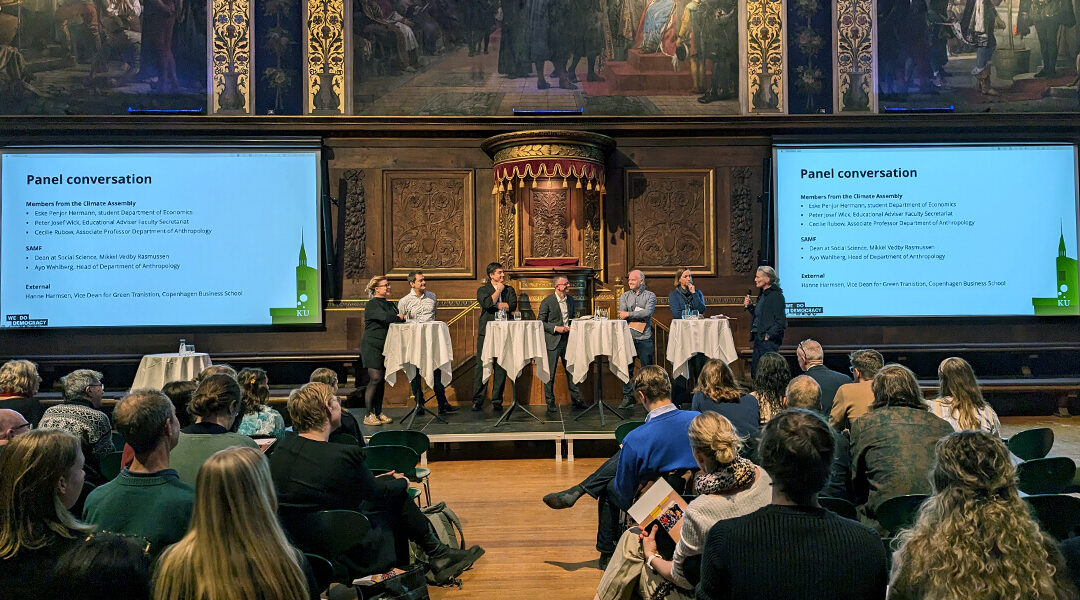
For the first time ever, a Danish university is hosting a climate assembly. The purpose of the climate assembly is to ensure broad involvement of students and staff in the faculty’s green transition. This applies in particular to the question of how the faculty can achieve its own climate goals and how the faculty can and should actively contribute to society’s green transition.
What should the future Østerbro in Copenhagen look like in terms of cars, urban spaces, and urban nature? Based on this question, all citizens of Østerbro are invited to participate in a neighborhood citizens’ assembly and make recommendations to the City Council.
The Citizens’ Assembly on Sustainable Consumption has brought together citizens across Denmark to develop recommendations for a future of sustainable consumption. As the first in Denmark, the Citizens’ Assembly will deliver their vision to five political organisations: the Capital Region of Denmark, the Region of Southern Denmark and the municipalities of Frederiksberg, Rudersdal and Vejle.
The citizens’ assembly in Næstved consisted of representative citizens who were asked to make recommendations for the future of the municipality.
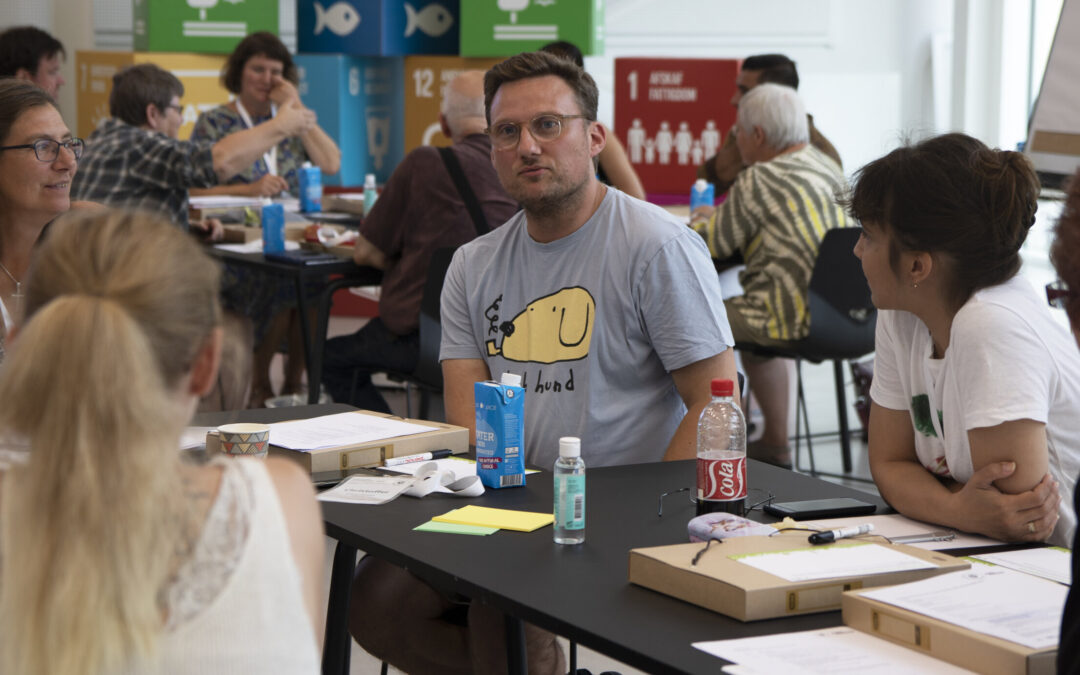
How can a municipality best realize the 17 UN Sustainable Development Goals? Rudersdal municipality wanted the citizens of Rudersdal to help them find answers to the question, which led them to hold a Citizens’ Assembly on realizing the SDG’s in practice.
Albertslund is a municipality with a long tradition of working progressively with citizen involvement and democracy. Therefore, after a political process, the municipality decided to invite all citizens over the age of 16 to participate in a Citizens’ Assembly on the future of Albertslund, to be run by We Do Democracy.
Denmark’s first citizen panel working with climate as both mitigation and adaptation took place in Hørsholm Municipality. The citizens developed recommendations to be included in the municipality’s general climate action plan.
How can Europe help make Danes’ lives more meaningful? The political party ‘Radikale Venstre’ is testing deliberative democracy as a new method for developing their European policy initiatives with the help of ordinary citizens. Both those who are pro-EU, those who are Eurosceptic and those who do not yet have an opinion on the EU.
With the Youth Assembly, we are testing a new involvement format that invites young people in the 16-24 age group to work on recommendations for a good youth life.
Denmark’s first municipal climate citizens’ assembly took place in Greve Municipality. Here, the members of the citizens’ assembly developed a number of ambitious green recommendations for how the municipality can become CO2 neutral – as part of DK2020
The Copenhagen Parliament is Denmark’s first multi-year municipal citizens’ parliament. In the first year of the Copenhagen Parliament, citizens worked on recommendations for how Copenhagen can develop as a city in the future. The first session of the second year of the Copenhagen Parliament will take place in early 2024.
What should the Østerbro of the future look like in terms of cars, urban spaces and urban nature? Based on this question, all citizens in Østerbro are invited to participate in a neighborhood citizens’ assembly and make recommendations to the City Council.
Cities around the world are facing a series of dilemma-filled questions about how to live, transport and cope with the climate change that is looming on the horizon. We Do Democracy runs a Citizens’ Assembly based on OECD principles to ensure impartial scrutiny of the project and to create a framework for the difficult and contentious conversation about the project. It’s a process that is attracting national and international attention, with follow-up research by the University of Copenhagen and Dublin City University
Næstved’s citizens’ assembly consisted of a representative selection of citizens who were asked to make recommendations for the future of the municipality.
How can a municipality best realize the 17 UN Sustainable Development Goals? The municipality of Rudersdal wanted the citizens’ help to find out, which led them to hold a citizens’ assembly on realizing the SDGs in practice.
City centres around the world are under pressure and facing a radical rethink – on the citizens’ terms. In 2019, the City of Copenhagen established the country’s first Citizens’ Assembly in collaboration with We Do Democracy. The task was to identify a future for a sustainable and viable city centre in Copenhagen. Politicians wanted a representative group of citizens to lead the way for the capital.
Albertslund is a municipality with a long tradition of working progressively with citizen involvement and democracy. Therefore, after a political process, the municipality decided to invite all citizens over the age of 16 to participate in a citizens’ assembly on the future of Albertslund, to be run by We Do Democracy.
Denmark’s first municipal climate citizen gathering took place in Greve Municipality. Here, the members of the citizens’ assembly developed a number of ambitious green recommendations for how the municipality can become CO2 neutral – as part of DK2020